
Entity stacking involves combining multiple related data entities to enhance information retrieval and knowledge representation. This concept is crucial for improving data integration and ensuring more accurate search results. By stacking entities, you can create a comprehensive framework that supports advanced analytics and decision-making.
Before implementing entity stacking, it's essential to organize and clean your data efficiently. This step involves identifying and categorizing entities to ensure they are ready for integration. Proper preparation helps to minimize errors and enhances the reliability of the stacked entities.
The stacking process begins with selecting the relevant entities and defining their relationships. Next, you integrate these entities into a cohesive structure, ensuring compatibility and coherence. This structured approach facilitates better data analysis and insight generation.
Successfully stacked entities offer numerous advantages, such as improved data accuracy and streamlined information retrieval. This method enhances the ability to draw meaningful conclusions from complex datasets. Additionally, it supports more efficient knowledge management and decision-making processes.
Entity stacking SEO means building consistent entity signals, like social profiles and trusted mentions, so Google can clearly understand and validate a brand. For non-technical marketers and clients, this approach might sound a bit complex. But here’s why it matters: when Google recognizes these signals, it’s more likely to view your brand as authoritative and relevant. This can lead to better search rankings and increased brand visibility. Think of entity stacking as setting up a network of trust signals that build a clear picture of who you are online. It's not about tricking algorithms; it's about providing clarity and consistency, which are key to a solid online presence.
Social profiles are a cornerstone of entity stacking. Here’s how to do it right:
Trusted mentions are references to your brand on reputable sites. They help reinforce your online presence.
Consistent information across the web helps Google trust your brand.
Consider a local bakery, Sweet Treats. They ensured their name, address, and phone number were the same on their website, Google My Business, and all social media platforms. This consistency led to an increased presence in local search results, driving more foot traffic to their store.
How do you know if your entity stacking efforts are working? Check these metrics:
Entity stacking isn’t foolproof. Here’s what to watch out for:
Entity stacking SEO focuses on building consistent signals, such as social profiles and trusted mentions, to help Google understand and validate your brand. This approach is essential for anyone looking to enhance their online presence and improve search engine rankings. By focusing on entity stacking, you create a solid foundation for your brand, making it easier for search engines to recognize and favor you in search results. For clients and non-technical marketers, understanding this concept is key to navigating the SEO landscape effectively.
Creating consistent social profiles is the first step in entity stacking. Here's how you can get started:
Let's break it down:
Trusted mentions are crucial for enhancing your brand's credibility. Here's how you can incorporate them:
A local coffee shop increased its online visibility by collaborating with a popular food blogger. The blogger featured the shop in a blog post and shared it across social media platforms. This mention boosted the shop's search engine ranking and increased foot traffic. By engaging with the right influencers, the coffee shop successfully enhanced its brand's entity signals.
Consistency is key in entity stacking. Use this checklist to ensure you're on track:
Knowing if your entity stacking efforts are working is crucial. Here’s how to measure success:
Implementing entity stacking is a continuous process. Stay proactive and adapt to changes in the digital landscape to maintain your brand's visibility and credibility. Keep building and nurturing your entity signals to ensure your brand stays relevant and competitive.
Social profiles are a crucial component in entity stacking. By creating consistent and active profiles across major social media platforms, you establish strong entity signals. These profiles should have uniform branding elements like logos, company descriptions, and contact information. Regularly updating these profiles with engaging content helps in maintaining a dynamic presence. This consistency aids search engines in recognizing and validating your brand as a credible entity.
Trusted mentions refer to references of your brand on reputable websites. These mentions can include citations, guest posts, or collaborations with well-known industry figures. They lend credibility to your brand and enhance its visibility in search engines. To achieve this, focus on building relationships with authoritative sites and contribute valuable insights. The more your brand is mentioned in a trusted context, the stronger the entity signal becomes.
Maintaining brand consistency across all platforms is crucial for effective entity stacking. This involves using the same business name, logo, and messaging on your website, social media, and any other online presence. Consistent branding helps search engines and users alike to easily recognize and trust your brand. It reduces confusion and reinforces the entity signals that are essential for SEO success.
Local listings are digital directories where your business information is displayed. Ensuring your business is listed accurately on platforms like Google My Business, Yelp, and local directories is key. These listings should have consistent NAP (Name, Address, Phone number) details. By doing so, you create a cohesive online presence that strengthens your brand's entity signals, particularly in local search results.
A well-planned content strategy is integral to entity stacking. https://x.com/JespernissenSEO/status/2025274000033583550 . It involves creating and distributing content that aligns with your brand's identity and values. This content should be relevant and authoritative, positioning your brand as a leader in your industry. Regularly publishing high-quality content helps in attracting mentions and backlinks, further solidifying your brand's presence as an entity in the digital landscape.
Entity stacking SEO means building consistent entity signals—like social profiles and trusted mentions—so Google can clearly understand and validate a brand. For clients and non-technical marketers, this strategy simplifies how search engines perceive your business. By focusing on consistent signals, you ensure that Google has a clear picture of your brand, helping improve your search rankings and online visibility. It’s a straightforward way to make sure your online presence is both recognized and trusted.
Trusted mentions are like endorsements from reputable sources. They can significantly boost your brand's credibility.
While entity stacking is effective, there are some common mistakes to watch out for.
Entity signals are the consistent bits of information about your brand found across the web. These include social media profiles, mentions in articles, and directory listings. Think of them as breadcrumbs that lead back to your brand, helping search engines connect the dots.
Having a strong presence on social media is key. Social profiles act as a digital handshake, introducing your brand to both users and search engines.
A small bakery increased its local search visibility by getting mentioned in a well-known food blog. This mention led to a 20% increase in local search traffic, proving the power of trusted mentions.
After implementing entity stacking, it's crucial to track your progress. Here’s how to know if it’s working:
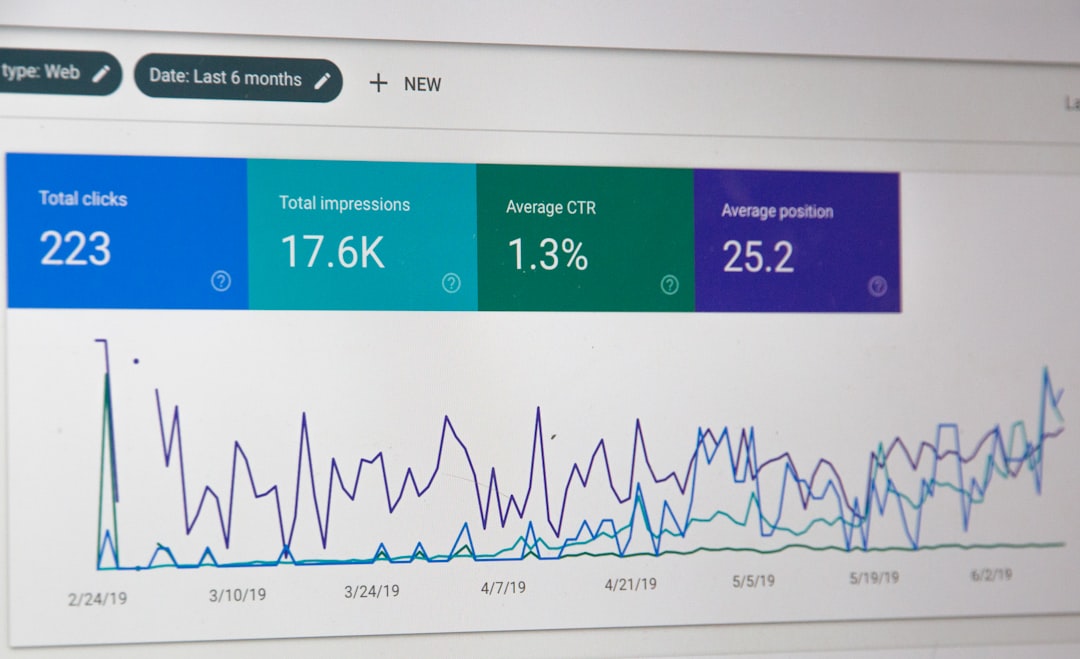


Entity stacking SEO is crucial for making your brand stand out in Google's eyes. It involves crafting consistent signals like social profiles and trusted mentions. The goal? To ensure Google comprehends and validates your brand. Why should this matter to you? Simple. A well-understood brand often enjoys better visibility and credibility. This is vital for clients and marketers who want a straightforward explanation without the tech jargon. Entity stacking isn’t just a strategy; it's a way to amplify your brand’s presence online. So, let’s dive into how you can achieve this.
Consider a local bakery that wanted to boost its online presence. They created consistent profiles on Instagram, Facebook, and Twitter. Each platform showcased their logo, a brief bio, and a link to their website. They posted daily specials and customer testimonials, quickly gaining a loyal following. This consistency helped Google recognize them as a credible brand, improving their search rankings.
To measure success, track brand mentions and monitor search rankings over time. Use tools like Google Analytics to see if referral traffic from trusted sources increases. An uptick in mentions and improved rankings indicate your entity stacking efforts are paying off.
Entity stacking SEO is about creating consistent signals—like social profiles and trusted mentions—to ensure Google understands and validates your brand. For clients and marketers who know a bit about SEO, this approach can be a game-changer. It helps build a solid online identity, making your brand more recognizable and trusted by search engines. This isn't just about having a presence; it's about having a cohesive, reliable one. By stacking entities, brands can improve their visibility and credibility online, which ultimately leads to better search rankings.
Consistency is key. Here’s how to ensure your entity signals are on point:
A local bakery wanted to improve its online presence. They started by updating their social media profiles with consistent branding and linked them back to their website. They also reached out to local food blogs for mentions. Within a few months, their search visibility increased, and more customers started visiting their website and store.
Watch out for these mistakes:
Wondering if your efforts are paying off? Here's how to tell:
Entity stacking SEO is about creating consistent entity signals, such as social profiles and trusted mentions, so Google can clearly understand and validate a brand. For clients and non-technical marketers, this means focusing on how your brand appears across the web. By aligning your online presence, you increase search visibility and trustworthiness. This isn’t about tricks; it’s about clarity and consistency. Understanding this helps you make informed decisions that improve your brand’s online presence.
Entity signals are the building blocks of your brand's online identity. They include social profiles, mentions on reputable sites, and consistent use of your brand name. Here is why they matter: they help search engines connect the dots between different pieces of information about your brand. When these signals are consistent, they reinforce your brand's identity.
Start by ensuring your social profiles are complete and up-to-date. Use the same brand name, logo, and description across all platforms. This consistency helps search engines validate your brand.
Trusted mentions involve getting your brand mentioned on reputable websites. These sites should have authority and relevance in your industry. This builds credibility and trust with search engines.
A local coffee shop partnered with a popular food blog to feature their signature brew. This mention not only brought in new customers but also improved their search visibility, as the blog was a trusted source in the culinary world.
How do you know if entity stacking is working? Monitor your brand’s search visibility and online mentions. Track metrics such as search rankings for your brand name, traffic from search engines, and engagement on social profiles. An increase in these metrics suggests your entity stacking efforts are paying off.
Entity stacking SEO is about creating a network of consistent signals that help search engines understand and trust your brand. These signals include social media profiles and mentions from trusted sources. For clients and non-technical marketers, this means a better chance of standing out in search results without needing deep technical knowledge. The clarity and validation provided by entity stacking can enhance your brand's visibility and credibility online. Let's explore how this works and why it matters.
Begin by identifying key platforms where your brand should have a presence. Consider social media sites, business directories, and industry-specific platforms.
A local bakery increased its online visibility by securing mentions in popular food blogs and local business directories. They reached out to bloggers for reviews and ensured their directory listings were up-to-date. This strategy improved their search rankings and brought in more foot traffic.
To know if your entity stacking efforts are working, monitor these metrics: